
Edo No Komoriuta
Traditional Japanese Lullaby
Country:
Japan
Region:
TBD
Composer:
TBD
Language:
Japanese
Genre:
Folk
Voicing:
SATB
Difficulty: Intermediate
Duration:
~4 minutes
About the Piece
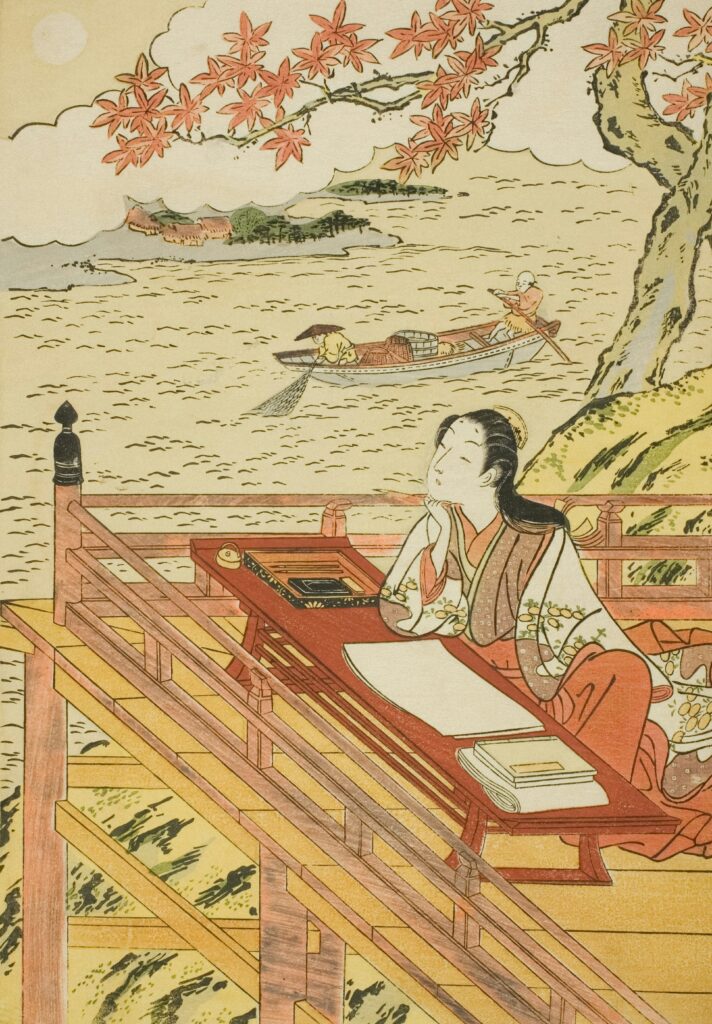
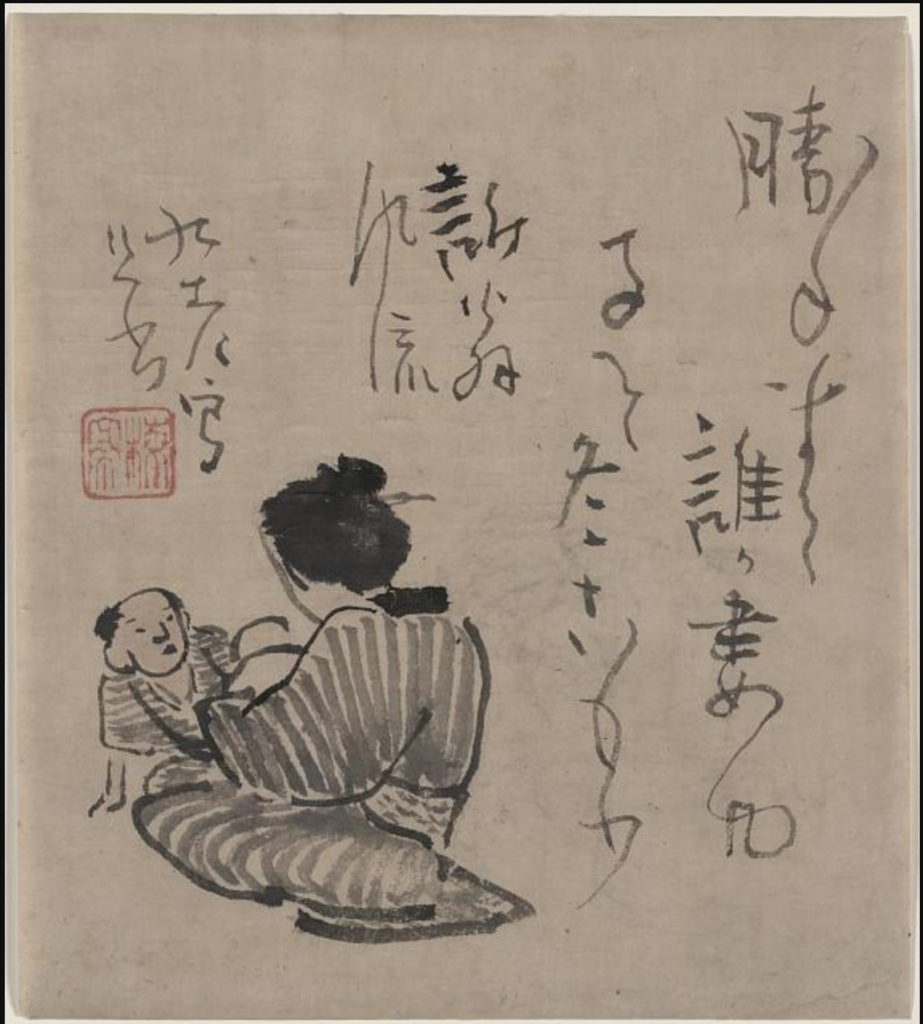
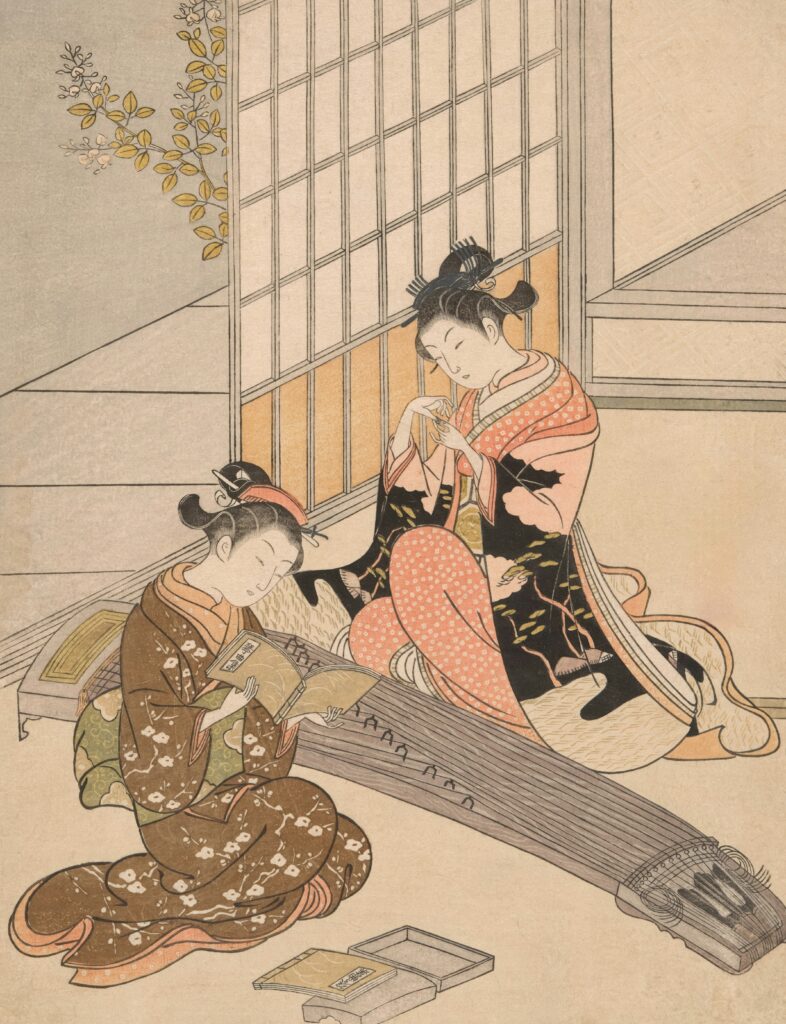
Edo No Komoriuta “Lullaby of Edo” is a traditional Japanese folk song from the Edo Period (1603- 1868). While it is meant to comfort a child, it also reflects the experiences of young nursemaids whose work often took them away from their own families. This dual purpose makes the song both tender and emotionally complex.
Lesson Plan Outline
Before Rehearsal
- Locate Japan on a map
- Introduce the Edo period
- Listening to authenic performances
During Rehearsal
- Focus on pure vowels
- Smooth Legatos
- Accurate Pronunciation
Reflections
- What emotions are we evoking, and how does that change the meaning of the piece
- How does history influence the performance?
Extension Activities
- Elementary: Compare and Contrast the differences between Edo no Komoriuta and popular American lullabies (Twinkle Twinkle, Hush Little Baby, etc.) What are reoccurring emotions we feel?
- Middle School: Write a new lullaby for a younger sibling, a friend, or yourself. What are the ideas the class is reiterating?
- High School: Research other cultures lullabies. How do lullabies preserve history?
Teaching Resources
Recording- Yellow Tails Recording, Performance by Hillary Field
Available Arrangements –
Pronunciation Guide – UW Japanese Pronunciation Guide
…
…
SOURCES
- Sources: hgsotohanff\\
- dfnafojsasfjpf